Conservation
25% for wildlife.
With every journey, you don't support a single project. You support a web of multidisciplinary conservation organisations, researchers and field teams working together to protect wildlife across KwaZulu-Natal. Each trip helps fund them all.
Where Your Support Goes
Funding the conservation stories that matter.
Legacy Conservation Safaris goes beyond supporting a single project. Every safari helps fund a diverse network of conservation organisations and specialists working together to protect wildlife across KwaZulu-Natal.
From pioneering research and protected area management to human-wildlife coexistence, anti-poaching interventions and the conservation of overlooked species, you'll meet the people behind the work and see how your journey contributes to conservation long after your safari ends.
Where the 25% Goes
Our conservation allocation
Conservation is difficult to fund. Field teams need vehicles, equipment, fuel, tracking technology, veterinary support, monitoring time and skilled people in the right place at the right moment. Legacy Conservation Safaris was created to help close that gap, with 25% of each ticket going to support the active fieldwork and people you meet working in South Africa.
-
13% Rhino protection and horn trimming
Funding towards rhino horn trimming and protection work through Wildlife ACT
-
5% Crowned eagle research
Support for African crowned eagle monitoring, GPS tracking and nest research in greater Durban
-
5% Reptile and amphibian conservation
Support for KZN reptile rescue, relocation, coexistence education and research
-
2% Protected areas financial support
Conservation levies paid to protected areas that make this work and access possible
Meet the People & Projects
The people & projects you'll experience.
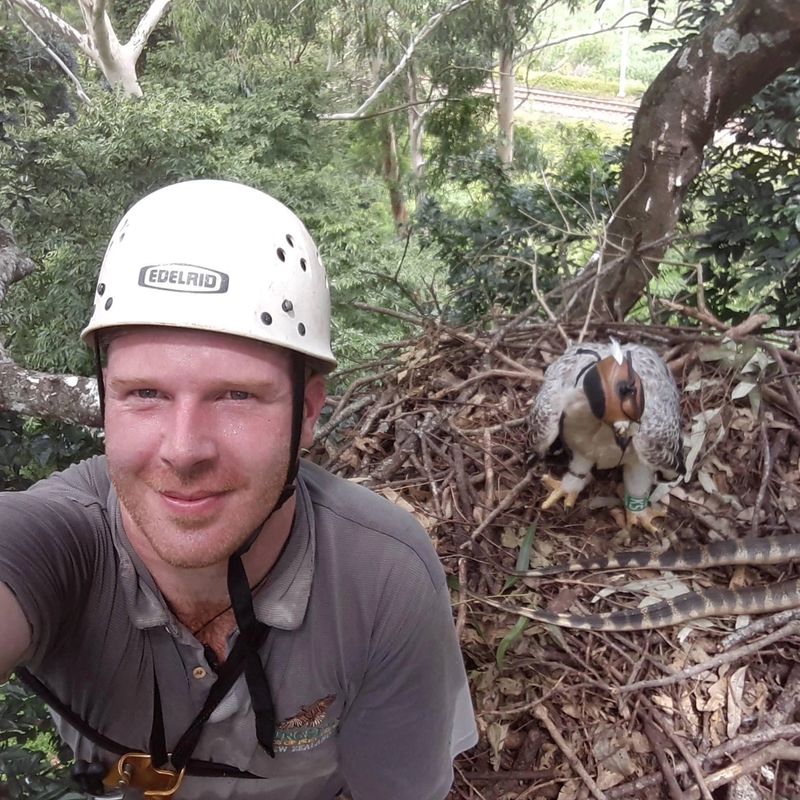
Dr Shane McPherson
African Crowned Eagle Research
Dr Shane McPherson leads the Durban African Crowned Eagle Research Project, one of the world's longest-running monitoring programmes for this remarkable apex predator. His work spans nest monitoring, GPS tracking and urban ecology, helping reveal how crowned eagles survive in an increasingly human-dominated landscape.
Join Shane in the field to visit active nest sites, learn about ongoing research, and discover why long-term monitoring is essential to the future of one of Africa's most powerful birds of prey. Through Legacy Safaris, this research is fully funded each year, ensuring vital monitoring continues.
Learn more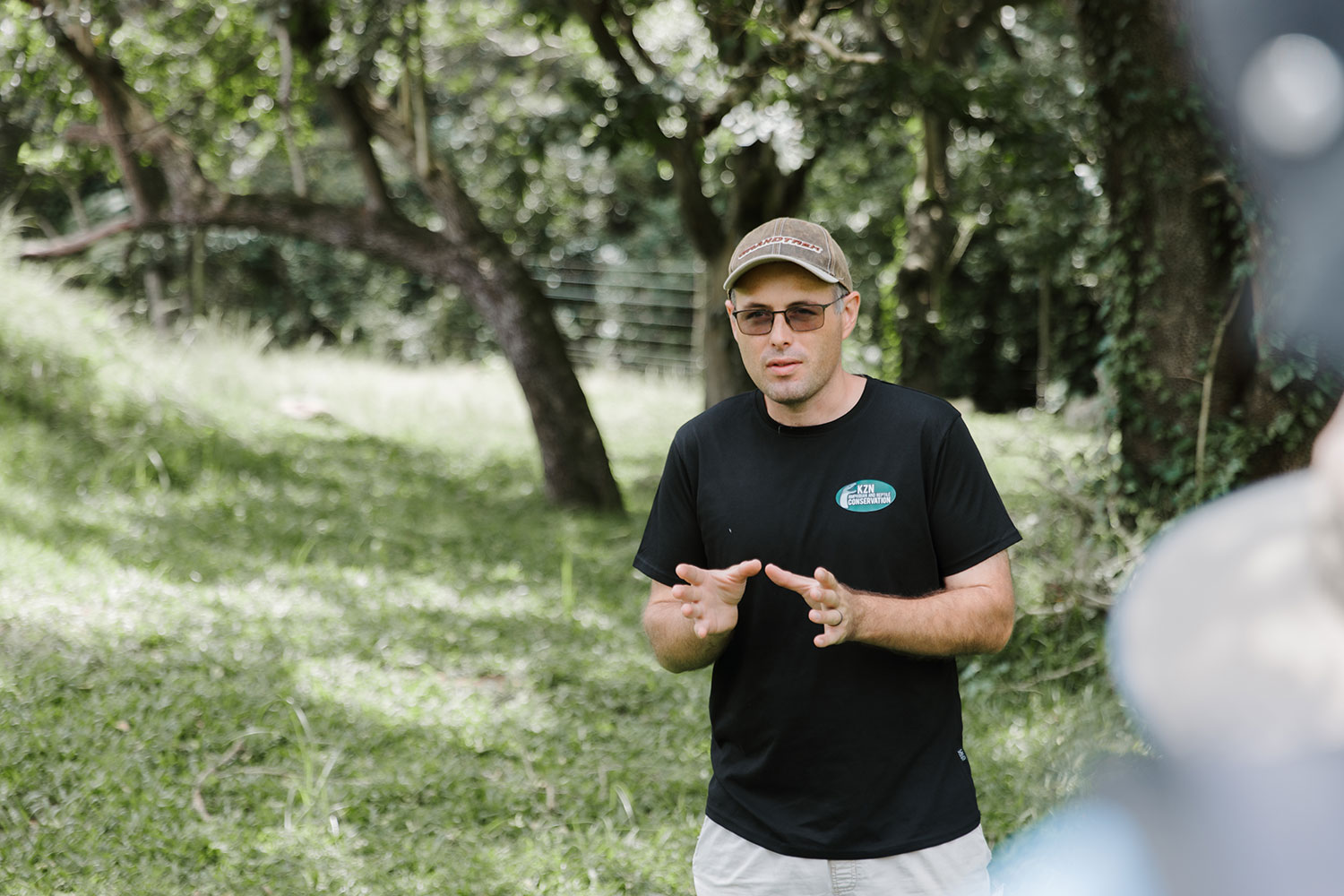
Nick Evans
Reptile & Amphibian Conservation
Nick Evans is one of South Africa's best-known reptile conservationists, recognised for his work in snake rescue, reptile relocation and public education. As presenter of Snake Season, he has helped change public perceptions of reptiles across KwaZulu-Natal.
Spend time with Nick learning how rescued snakes are safely handled, measured, PIT tagged and released, while exploring the long-term monitoring and education that help people and reptiles coexist. Legacy Safaris fully funds this research and conservation work each year.
Learn more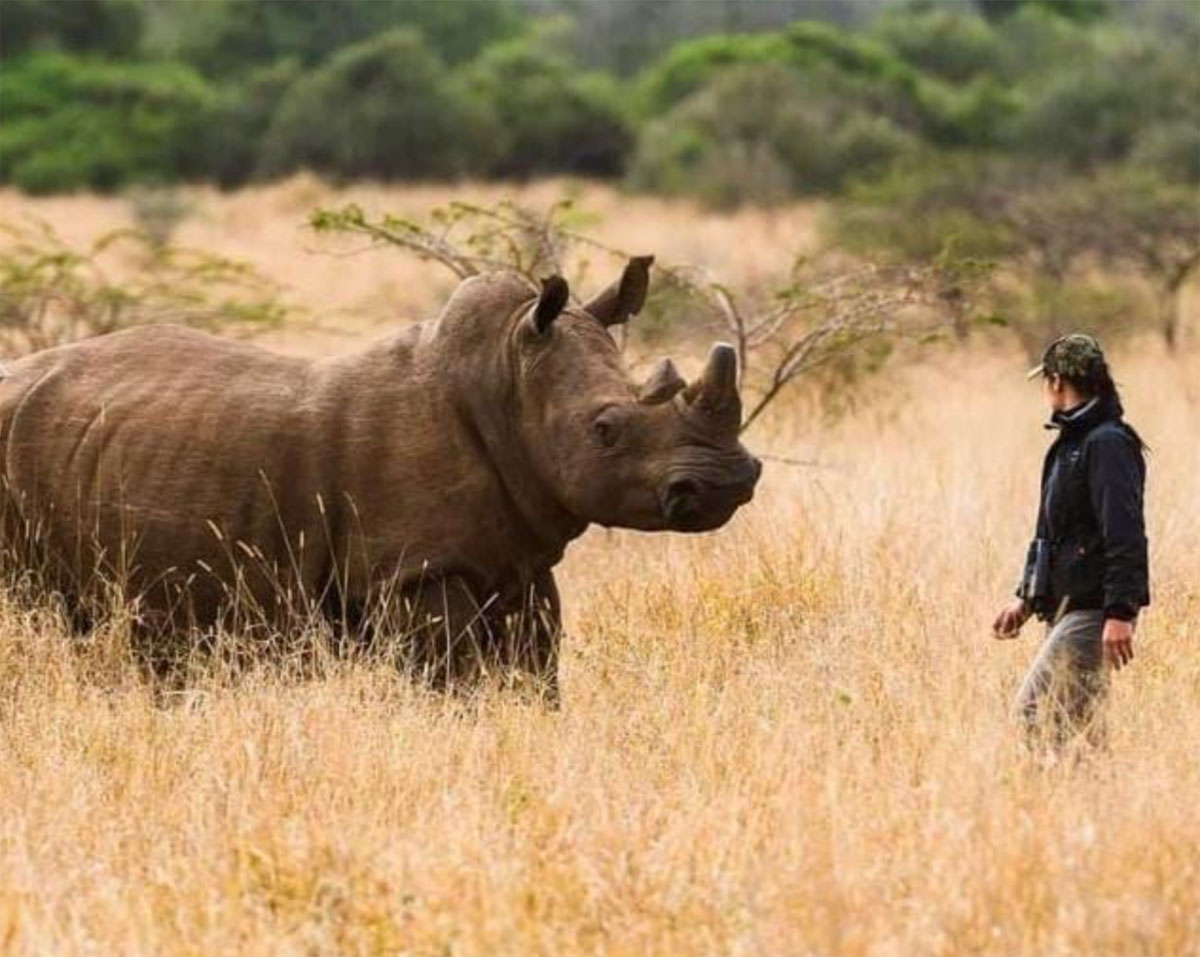
Karen Odendaal & Dr Mike Toft
Rhino Protection & Manyoni Conservation
Karen Odendaal, Chief Operating Officer of the Zululand Conservation Trust and Conservation Manager of Manyoni Game Reserve, and wildlife veterinarian Dr Mike Toft are two of the leading figures behind rhino conservation in KwaZulu-Natal. Together with Wildlife ACT and dedicated field teams, they oversee rhino protection, anti-poaching interventions and long-term reserve management.
During your safari, you'll witness a professionally managed rhino horn-trimming operation, gaining rare insight into one of Africa's most important conservation interventions. Your journey directly helps fund these operations while supporting the wider conservation work taking place across Manyoni Game Reserve.
Learn more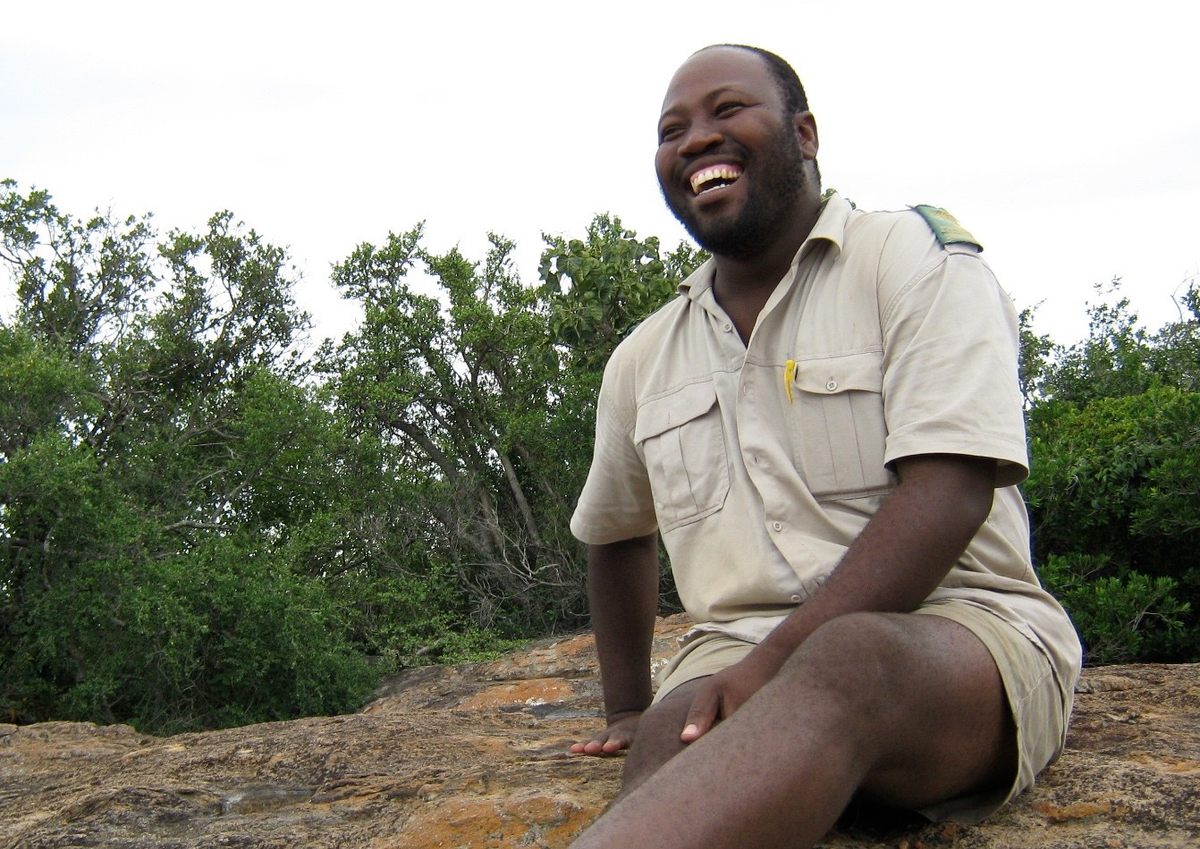
Sicelo Mbatha
Walking with Wilderness
With nearly three decades of guiding experience in Hluhluwe-iMfolozi, Sicelo Mbatha is widely regarded as one of South Africa's most respected wilderness guides. He is also the acclaimed author of Black Lion, exploring humanity's relationship with nature through the art of walking.
Walking alongside Sicelo is an invitation to slow down, sharpen your awareness and experience the bush through observation, instinct and story, offering a perspective on conservation that extends far beyond wildlife alone.
Watch Live
The Zimbali Crowned Eagle nest cam.
Part of the same monitoring programme your booking supports. Watch the nest Dr Shane McPherson and his team track year-round.
Travel with Purpose
Spend your safari where it matters.
Travel with the people protecting the wild. Experience a safari that leaves something real behind, and receive a post-trip conservation report so you can understand what your journey helped support.
Start planning your safari