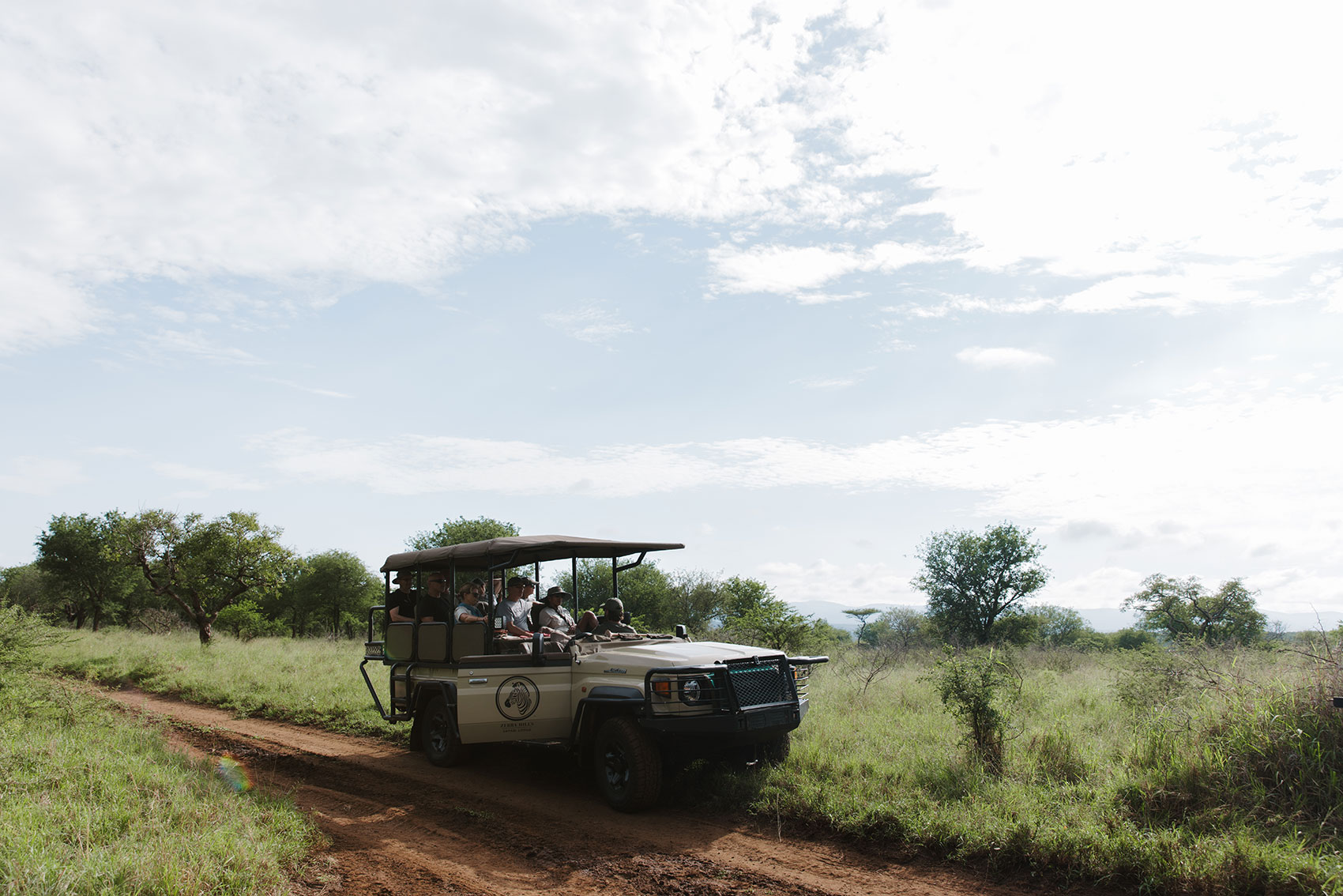
The 9-Day Legacy Conservation Safari
8 nightsA progression through four structurally distinct ecosystems (coastal forest, UNESCO wetland, Africa's oldest reserve, and Big Five wilderness) across a single province.
From $8,230
View details →
Travel Planning
March and April are one of my favourite times to experience KwaZulu-Natal. While spring is arriving in the Northern Hemisphere, autumn is beginning to settle into South Africa. The summer rains have left the landscape lush and green, the days are still warm, and the evenings are beginning to cool.
For anyone considering a South African safari in March or April, I think this is a particularly beautiful time to experience KZN. After all, Kelly and I got married here in March, and if it’s a good time for a wedding, it’s certainly a good time for a safari.
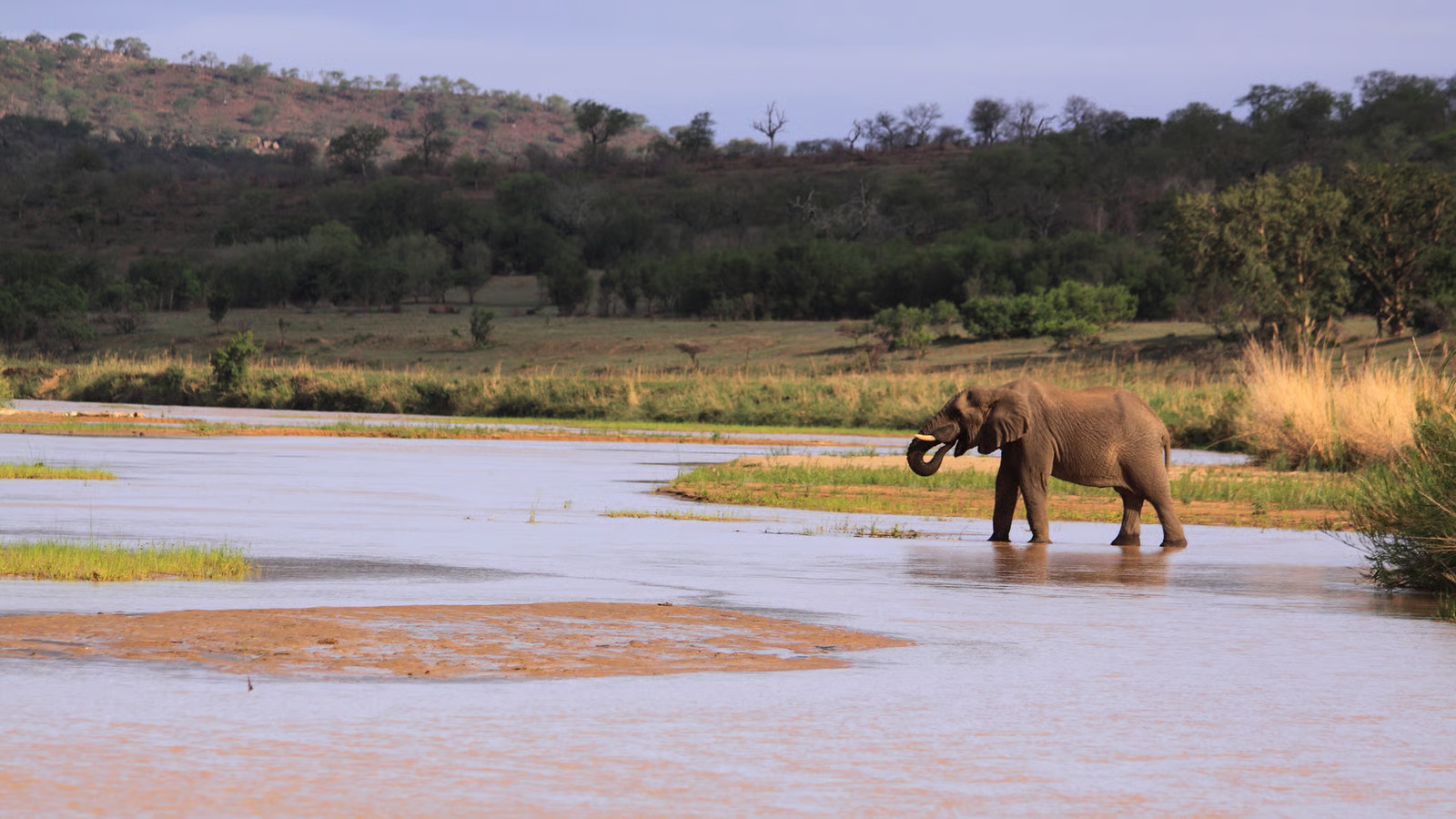
By March, the summer rains have transformed the landscape. The savanna is deep green, the forests are full, and the wetlands of the coast are alive with animals and birdlife. There is still plenty of moisture in the landscape, and the bush has that feeling of abundance that comes after months of rain.
At the same time, you can begin to feel the season changing. The days gradually become more comfortable, particularly in the early mornings and evenings, while the heat of summer starts to ease. The rains become less frequent as autumn progresses, and the landscape slowly begins its transition toward the drier months of winter.
The coast stays warm and inviting at this time of year. With the Indian Ocean perfect for swimming and sunbathing, it’s a joy to spend a morning in the bush and an afternoon on the beach. For me, that combination is one of the great pleasures of being on safari in KwaZulu-Natal.
If you want to see South Africa green, but in cooler evening temperatures, autumn is the only time to travel here.
As the seasonal waterholes begin to dry, animals gradually become more reliant on rivers, dams and other perennial water sources. This can actually make game viewing easier, as we can spend time around these water sources waiting for animals to move through the receding summer vegetation.
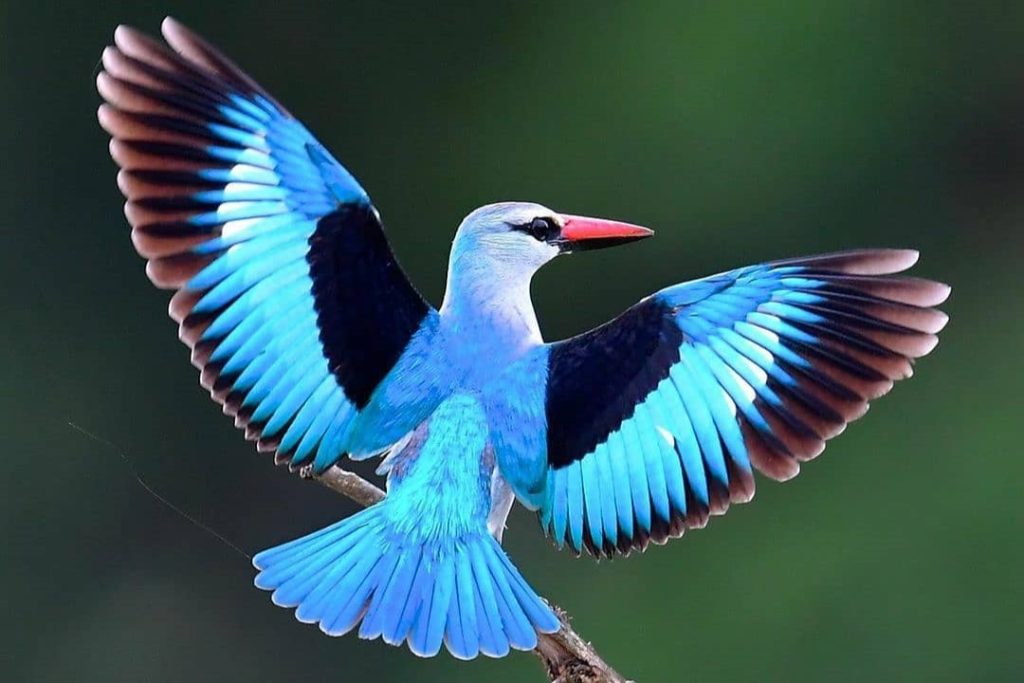
The birdlife is still spectacular too, with many of the stunning migrant species that arrived during the summer, including woodland kingfishers and Diederik cuckoos, still filling the forests, wetlands and savanna with their calls. And although the bush is beginning to open up, it remains beautifully green and alive, giving you that classic African savannah backdrop we’ve all come to know from television.
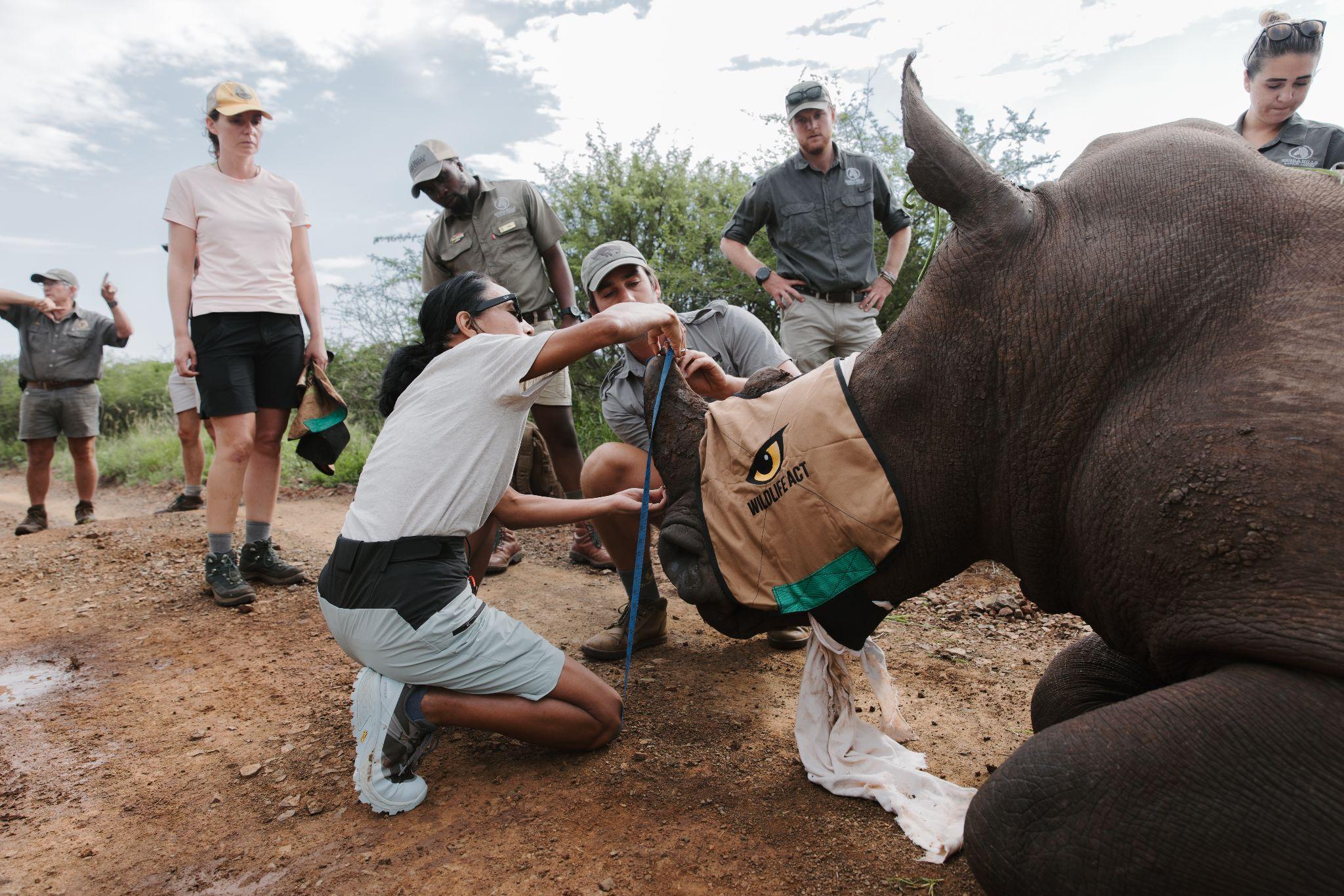
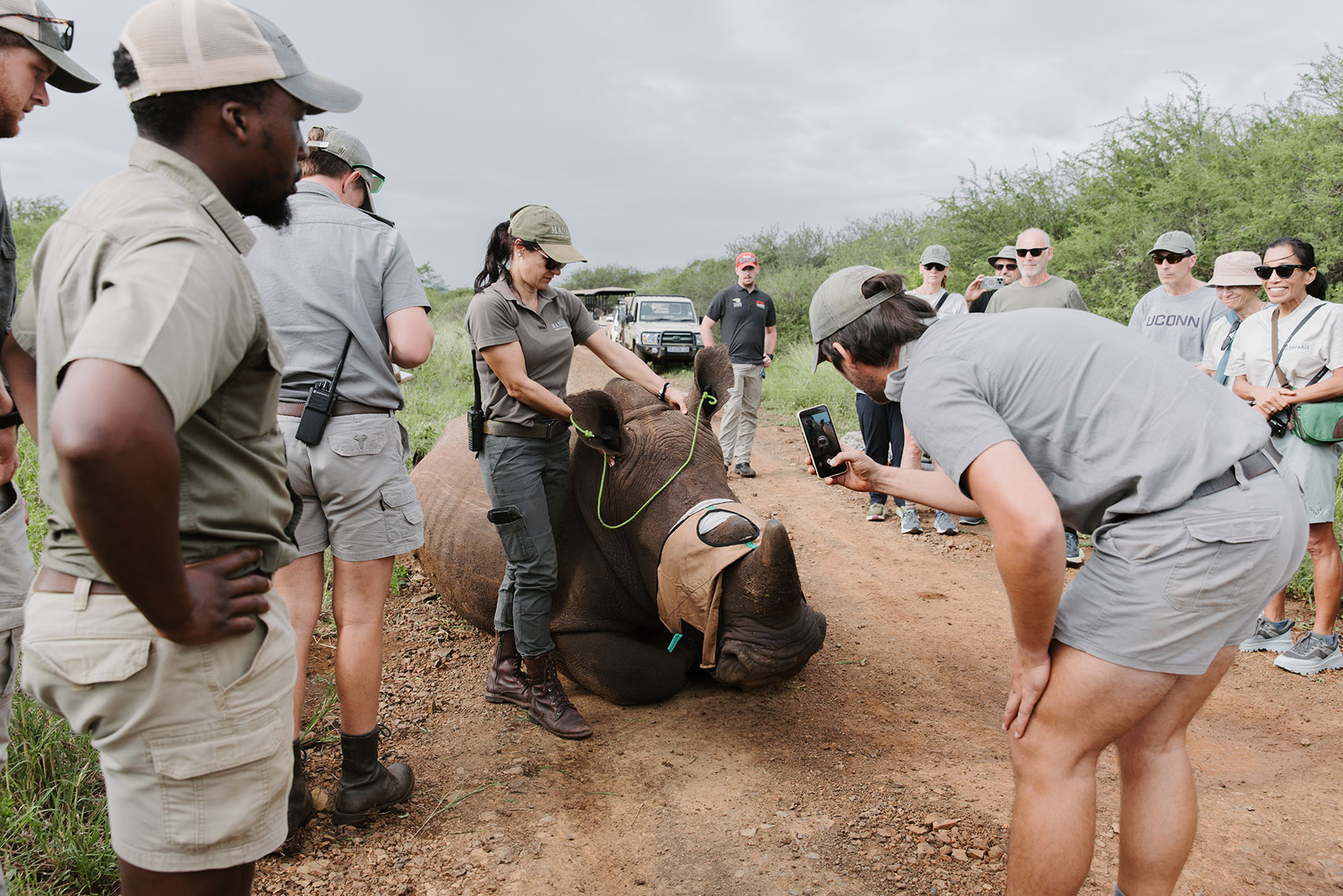
March and April also happen to coincide with the conservation work we build into Legacy Conservation Safaris. African crowned eagle chicks are beginning to fledge, while rhino management activities such as horn trimming begin as conditions become drier and more suitable for game capture operations. Read more about our partnership with Wildlife ACT and the rhino conservation work it supports. I’ve spent years working in these landscapes, and I wanted our departures to coincide with the times when the wildlife and conservation projects we support are actually active.
March and April offer a wonderful combination: lush green landscapes, abundant birdlife, excellent game viewing and the Big Five, with the added bonus of the bush beginning to open up around us.
You certainly aren’t giving up the African safari experience by travelling in autumn. You’re experiencing it at, to me, a particularly beautiful moment in the year.
I’ve lived in KwaZulu-Natal for more than a decade, and March and April have always felt like a sweet spot to me. The bush is still carrying the abundance of summer. Everything is green, the migrant birds are still calling, the rivers and wetlands are full, and there is plenty of wildlife moving through the landscape. At the same time, the summer heat is beginning to ease and the evenings become a little more comfortable.
Kelly and I were married in Manyoni Game Reserve in the middle of March.
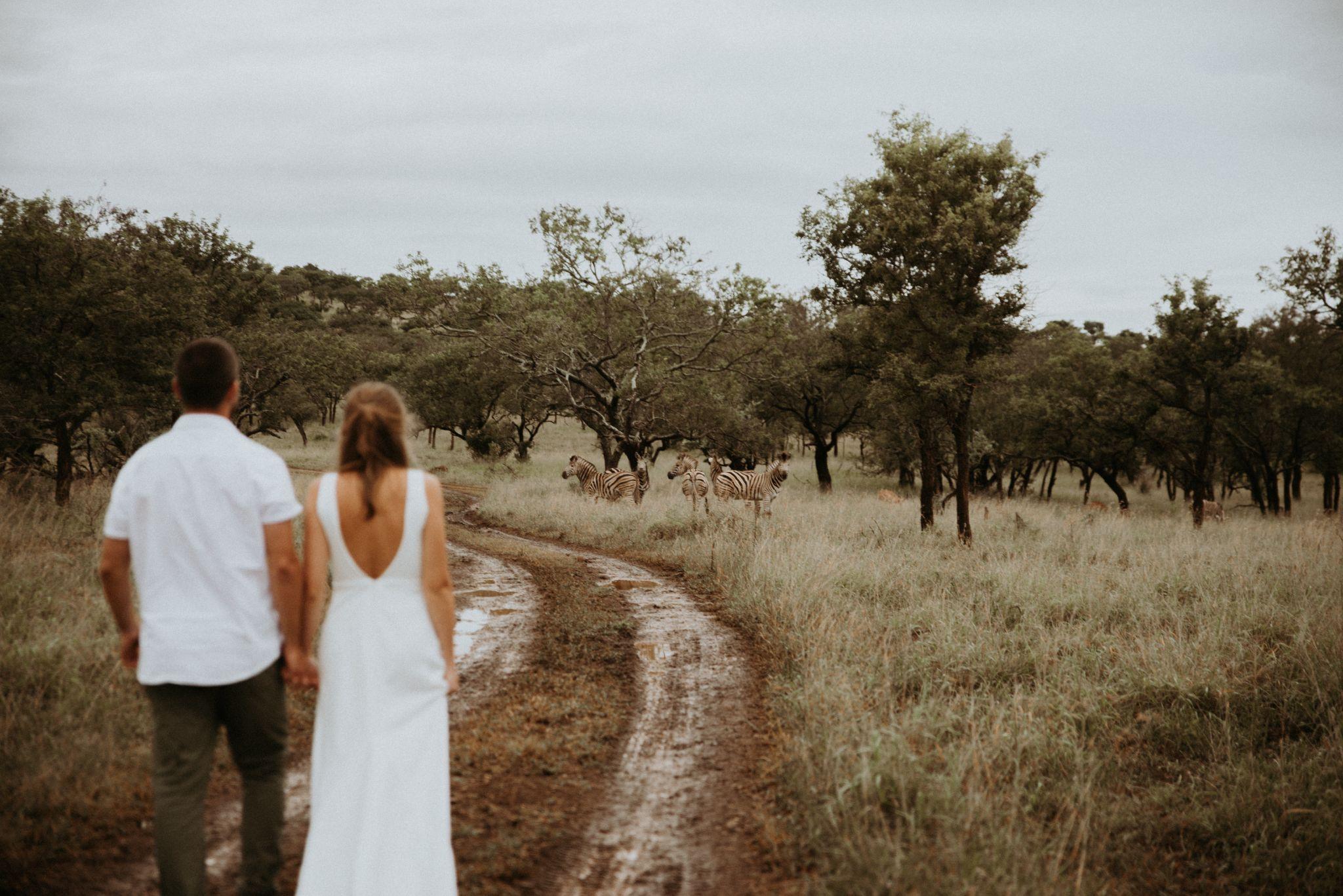
We had planned our wedding carefully, as you do, though the weather had other ideas. After a few nights of rain, we had to change our ceremony location on the morning of the ceremony because the roads to our original site were still muddy.
We eventually found the biggest tambooti tree we could, mowed a small clearing beneath it, and got married surrounded by our closest family.
Our plans changed, and the day became something completely different from what we’d imagined. Kelly’s wedding dress picked up a little of the landscape as we walked between photographs, and our vellies became thoroughly muddy.
It wasn’t the wedding we had planned. It was better, and it remains one of my favourite days I’ve ever spent in the bush.
So perhaps I’m a little biased when I say that March is a pretty special time for you to join us in South Africa.
Further Reading
Conservation
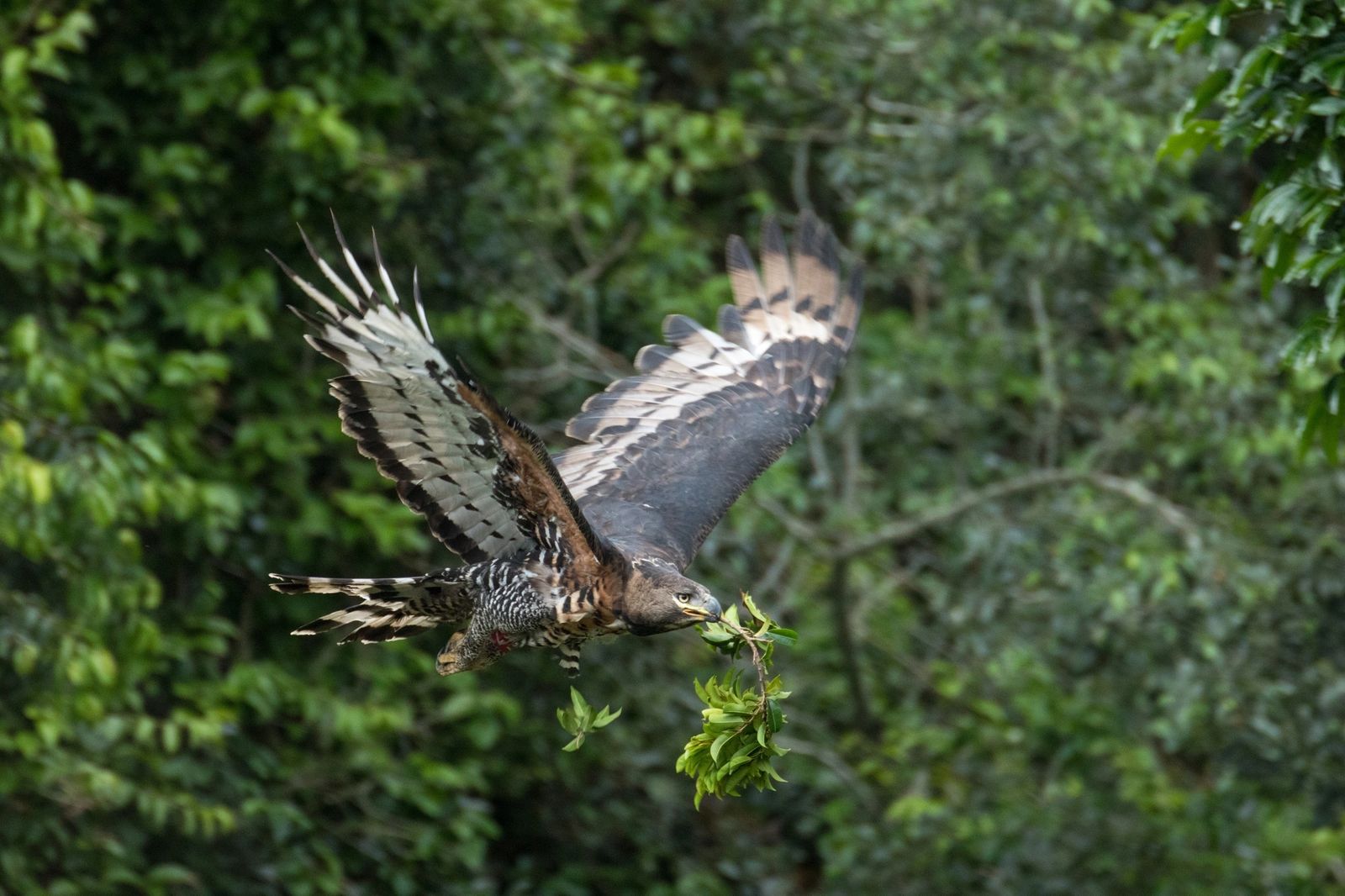
With talons longer than a lion's teeth and a six-foot wingspan, the African crowned eagle is the continent's most formidable forest predator, and it has quietly adapted to life above one of South Africa's largest cities.
5 min read
Conservation
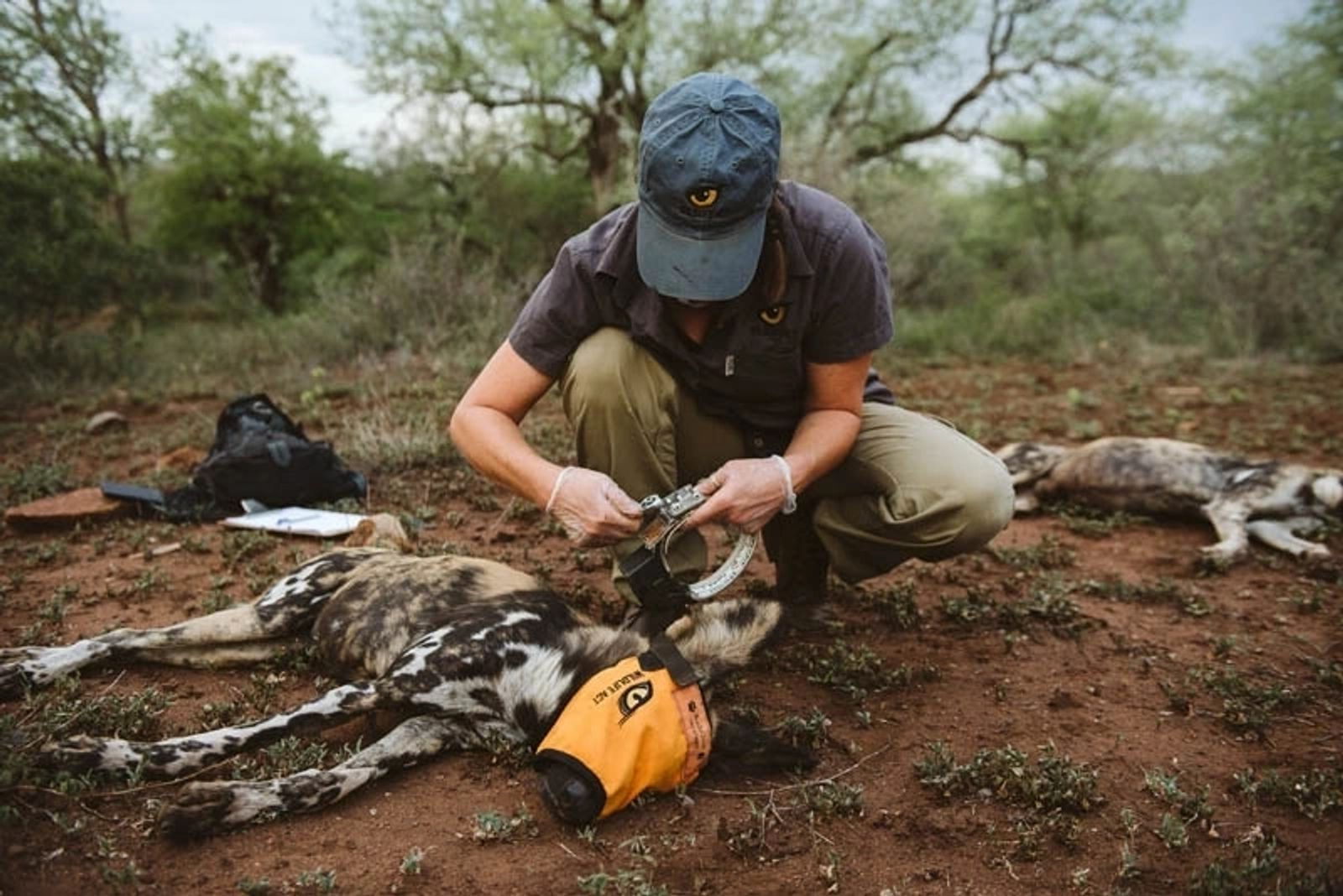
Founded in 2008, Wildlife ACT safeguards Africa's most endangered species through relentless on-the-ground monitoring and anti-poaching work, and every safari we run helps fund their rhino horn trimming and protection work.
5 min read
Conservation
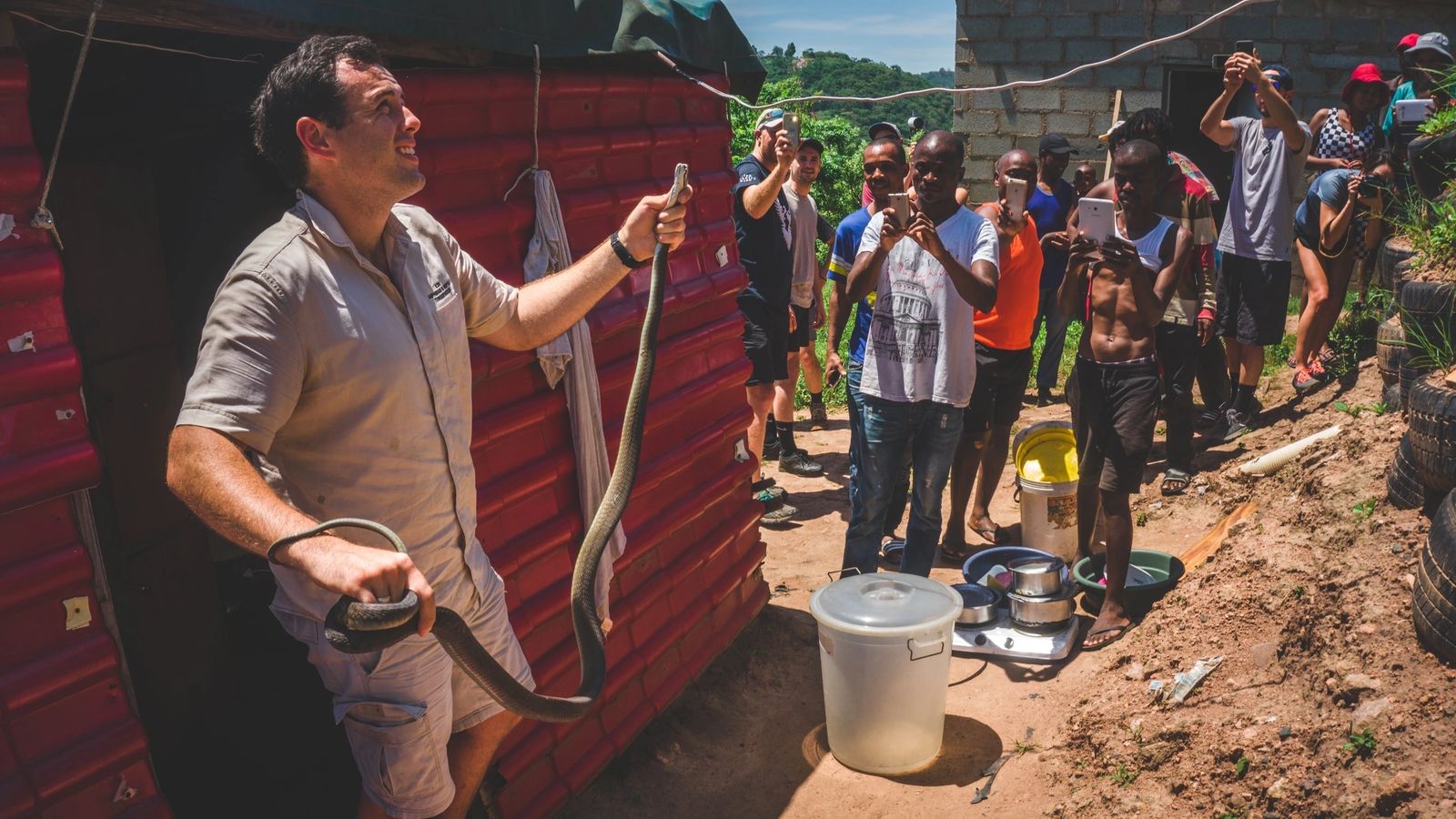
Reptiles and amphibians may not command attention like Africa's famous megafauna, but they are vital to the health and balance of ecosystems across the continent, and to the predators everyone travels to see.
4 min read
Conservation
A percentage of every booking is not a conservation programme. Here is what an auditable, per-booking conservation pledge actually looks like, and why the difference matters.
8 min read
Travel Tips
KwaZulu-Natal packing is not the same as Kruger packing. Coastal humidity, early morning temperatures on foot in Big Five territory, and a camera for documentation, not trophy shots.
10 min read
Swipe to see more
A progression through four structurally distinct ecosystems (coastal forest, UNESCO wetland, Africa's oldest reserve, and Big Five wilderness) across a single province.