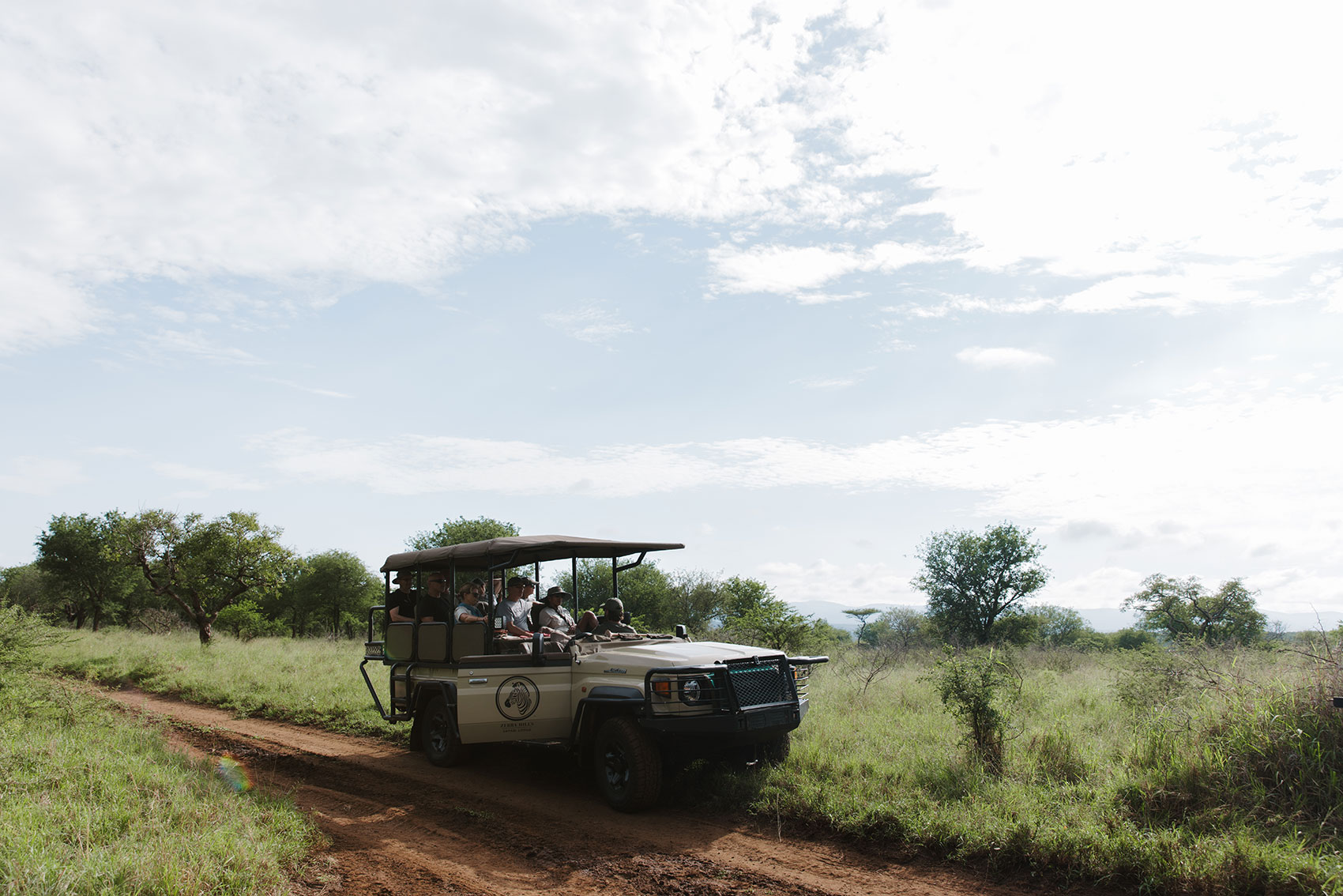
The 9-Day Legacy Conservation Safari
8 nightsA progression through four structurally distinct ecosystems (coastal forest, UNESCO wetland, Africa's oldest reserve, and Big Five wilderness) across a single province.
From $8,230
View details →
Conservation
There is a version of safari conservation that looks like this: a photo of rangers, a bullet point that says “a portion of every booking supports wildlife,” and no further detail. It is standard industry copy. It is also meaningless, not because the operators are dishonest, but because a percentage of revenue going into a general fund produces outcomes that no guest can verify or trace.
There is a different version. Here is what it looks like.
Every Legacy Conservation Safaris departure helps fund rhino horn trimming carried out by Wildlife ACT in KwaZulu-Natal, part of the 25% of each ticket directed back into conservation-linked work. The horn is pure keratin, chemically identical to a human fingernail, worth more per kilogram than gold on the black market. Removing it removes the financial incentive to poach the animal.
The operation takes approximately four hours from immobilisation to recovery. Guests are present for the procedure, not watching from outside the fence. The operation is documented in the post-trip conservation report you receive after returning home.
This is not a tourism event with a conservation label. It is the actual anti-poaching intervention. The tourism element, your presence, is incidental to the primary purpose, which is deterrence.
Wildlife ACT has dehorned 246+ rhinos in KwaZulu-Natal. They are not a general conservation NGO operating across multiple programmes with pooled funds. They are a specialised field team with a specific methodology applied to a specific population in a specific province. The relationship between Legacy Conservation Safaris and Wildlife ACT is scientific and operational, not philanthropic. It was built through years of fieldwork in the same ecosystem.
When Camille tells you that your safari helped fund this operation, he is not describing a financial transfer to a charity. He is describing the operational cost of a procedure that he was present for, on an animal he has tracked, in a reserve he works in.
The general fund model, “a portion of every booking”, creates three problems.
First, it is unverifiable. There is no mechanism by which a guest can confirm that their specific booking contributed to a specific outcome. The fund exists; the contribution dissolves into it.
Second, it encourages vagueness. When you cannot point to a specific action, you compensate with language. “We care deeply about conservation.” “Every journey leaves the land richer.” These phrases carry no information.
Third, it disconnects the guest from the outcome. The conservation action happens at a distance, in the background, managed by someone else. The guest’s role is passive: pay, and trust.
The pledge model inverts all three. The action is named. The outcome is documented. The guest is present.
American conservation donors give more per capita to African wildlife causes than any other nationality. And they consistently report, across surveys and interviews, not knowing where the money went. This is not a criticism of the organisations they supported, it is a structural problem with how conservation funding is typically presented.
Legacy Conservation Safaris was built partly as an answer to this problem. The guests we attract have often been WWF donors, Sierra Club members, PBS supporters for years. They have given consistently without receiving a named animal, a specific operation, a before-and-after telemetry report. The appeal of the pledge model is not novelty, it is accountability. You know exactly what your booking did. You have photographs of the rhino.
The rhino horn trimming is one action within a larger system. Camille’s work at Tanglewood contributes to the coastal forest biodiversity dataset that informs land use decisions for one of the most endangered ecosystems in South Africa. Dr. McPherson’s eagle nest monitoring at the same site is peer-reviewed and published. The iSimangaliso boat surveys that guests participate in contribute to the hippo population dataset that Dr. Fritsch developed over a decade of GPS research.
None of these are passive tourism offerings. They are active research programmes that require ongoing fieldwork to produce valid data. Guest participation is not symbolic, it extends the dataset.
The conservation case for KwaZulu-Natal tourism is not that it funds conservation in the abstract. It is that the specific scientific relationships required to operate here properly are themselves the conservation infrastructure. The access that makes this journey possible, to Tanglewood, to Wildlife ACT operations, to Dr. Fritsch’s estuary methodology, exists because Camille spent a decade building it through fieldwork. That access is irreplaceable. It cannot be purchased by a competitor this season or next.
That is the conservation model. Not a percentage. Not a pledge. A decade of relationships, and a booking that puts you inside them.
Further Reading
Travel Planning
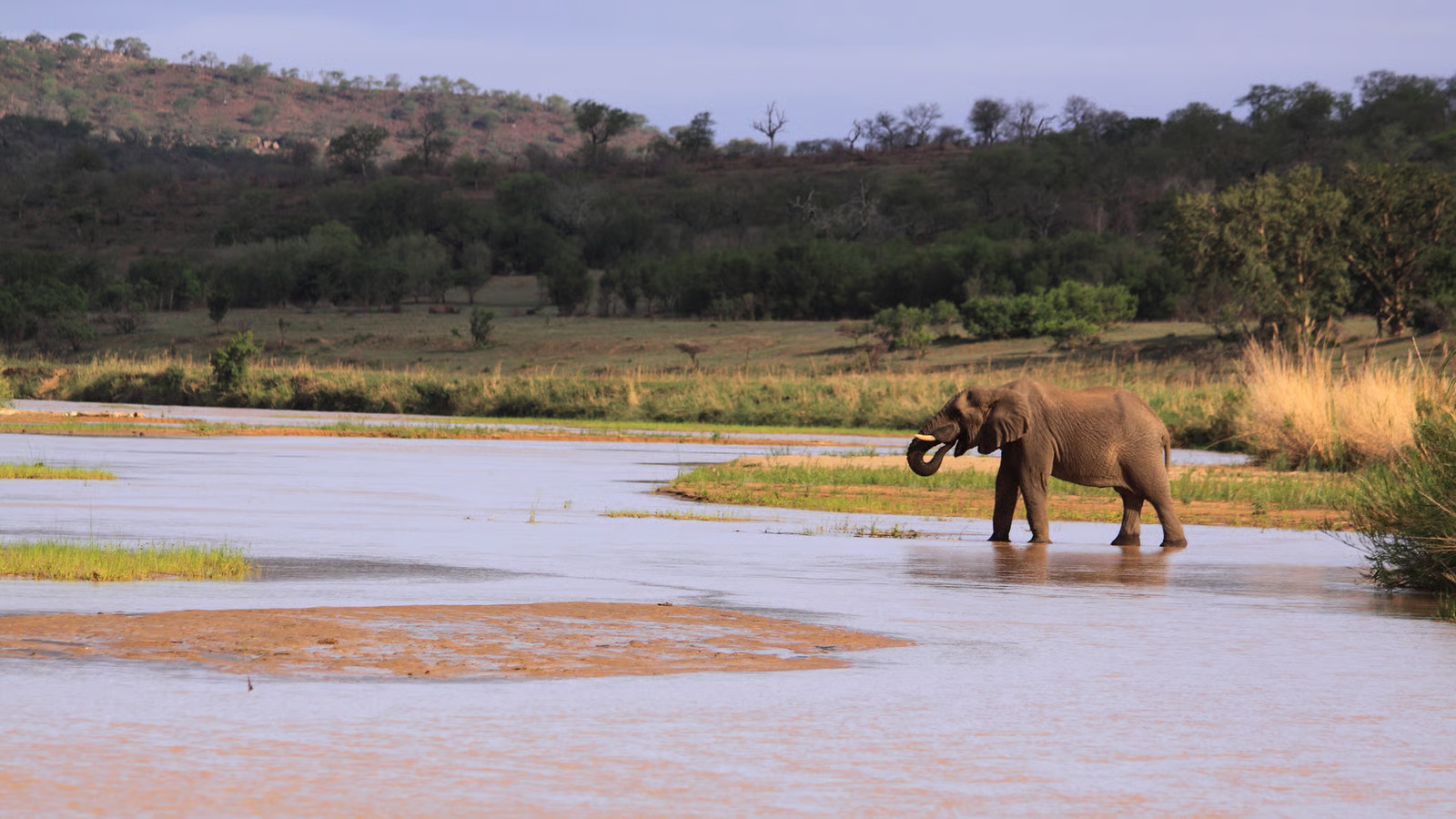
As summer eases into autumn, KwaZulu-Natal stays lush and green while the evenings begin to cool. Camille on why March and April are among the finest months to be on safari in KZN.
6 min read
Conservation
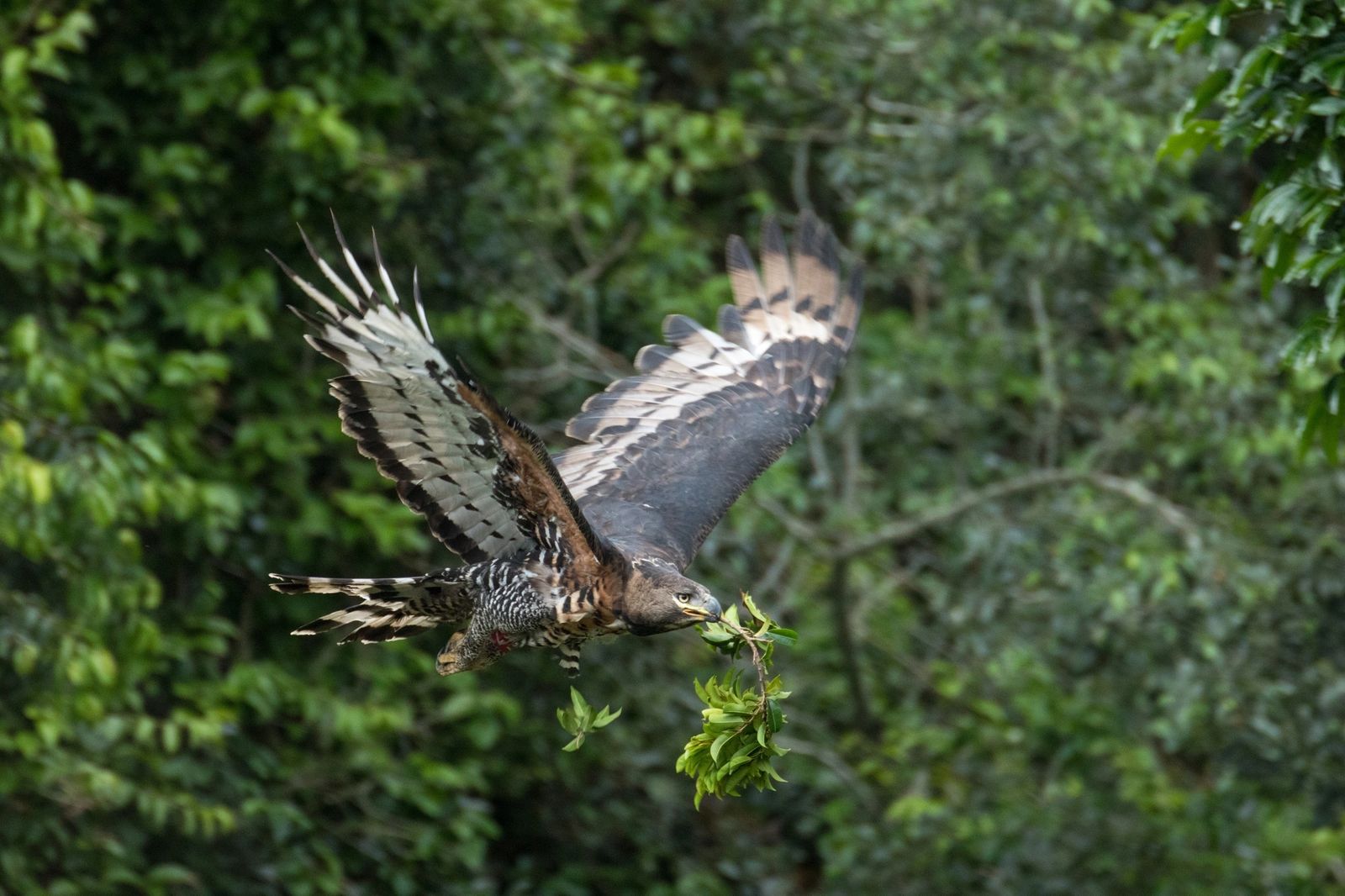
With talons longer than a lion's teeth and a six-foot wingspan, the African crowned eagle is the continent's most formidable forest predator, and it has quietly adapted to life above one of South Africa's largest cities.
5 min read
Conservation
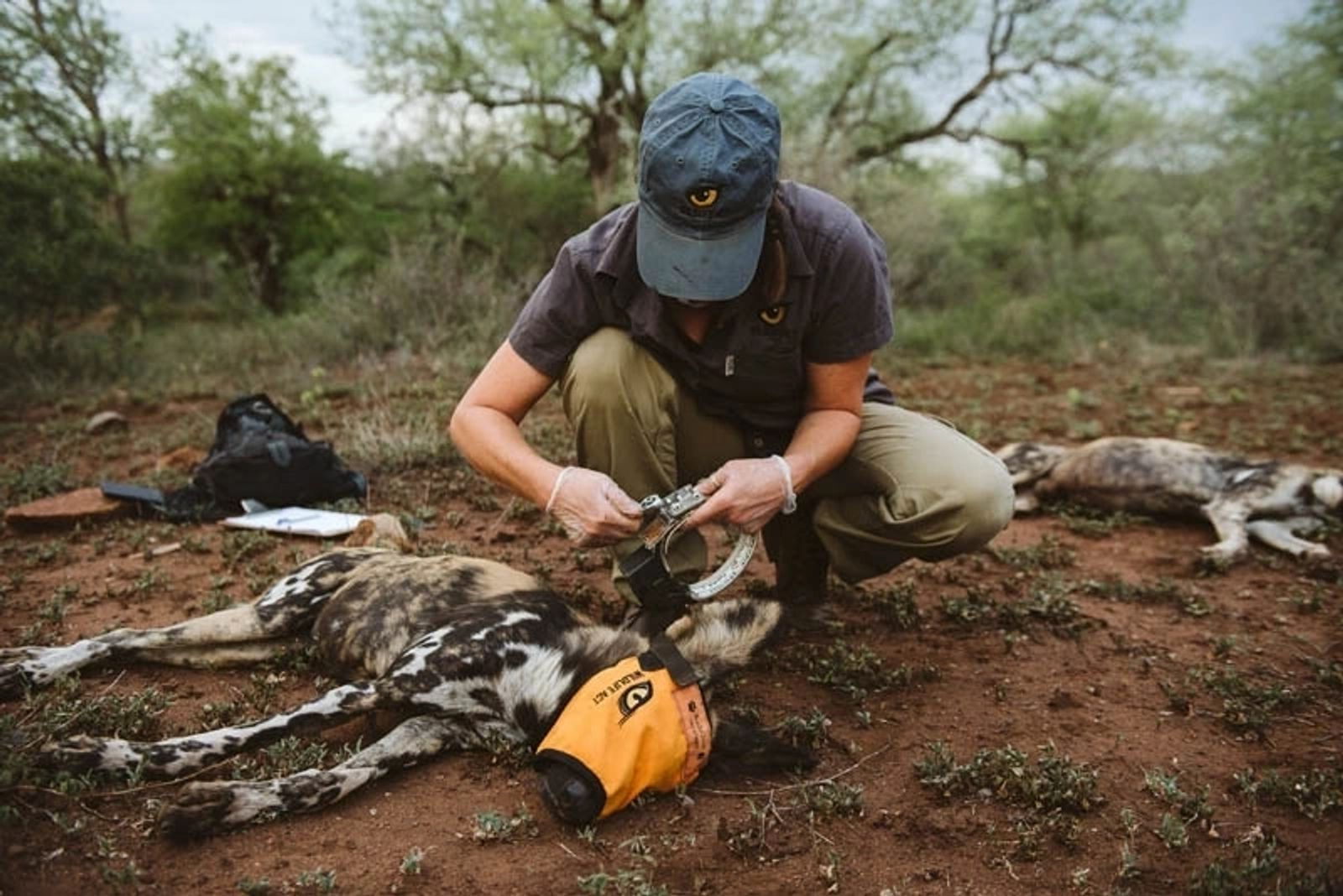
Founded in 2008, Wildlife ACT safeguards Africa's most endangered species through relentless on-the-ground monitoring and anti-poaching work, and every safari we run helps fund their rhino horn trimming and protection work.
5 min read
Conservation
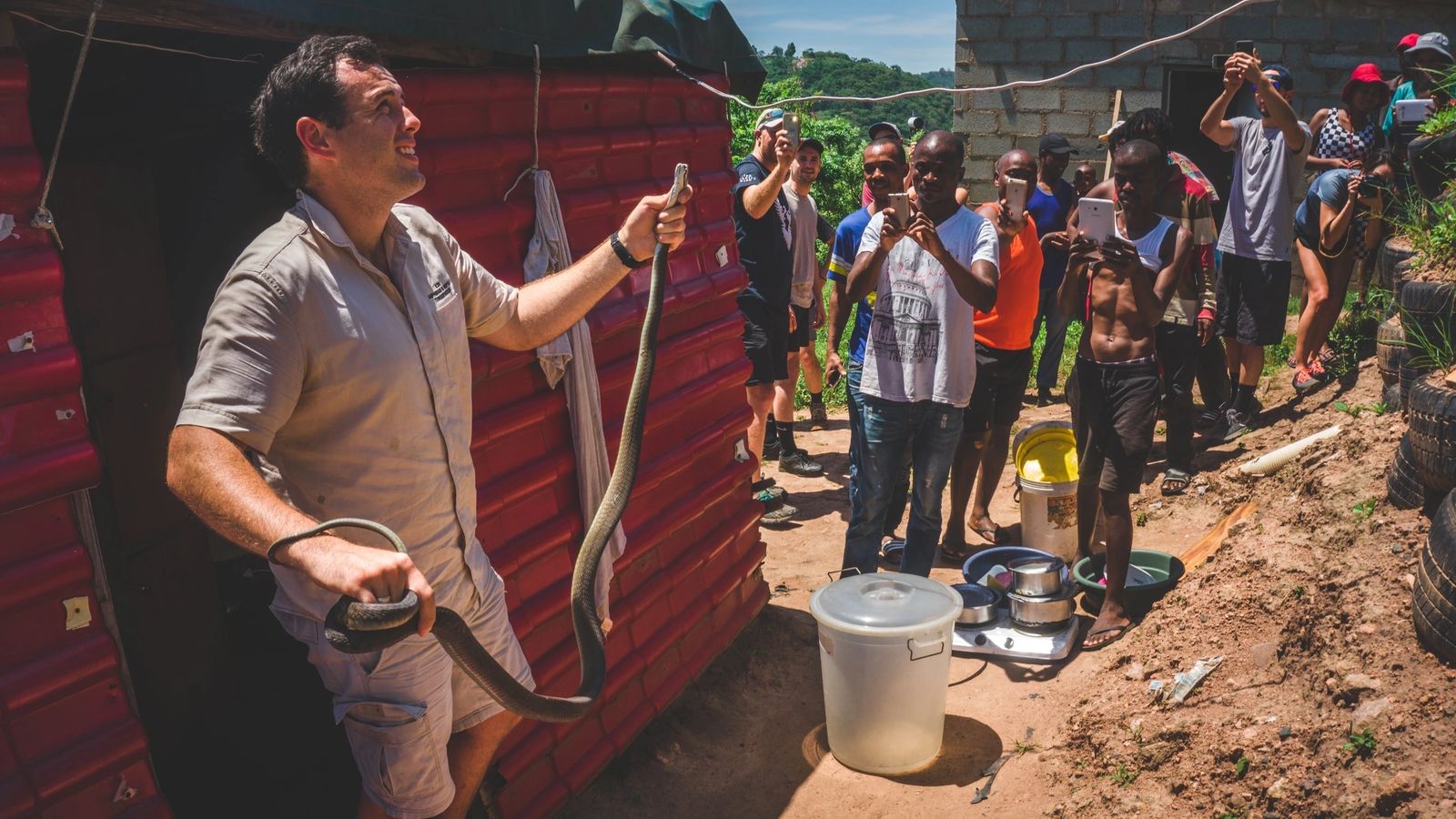
Reptiles and amphibians may not command attention like Africa's famous megafauna, but they are vital to the health and balance of ecosystems across the continent, and to the predators everyone travels to see.
4 min read
Travel Tips
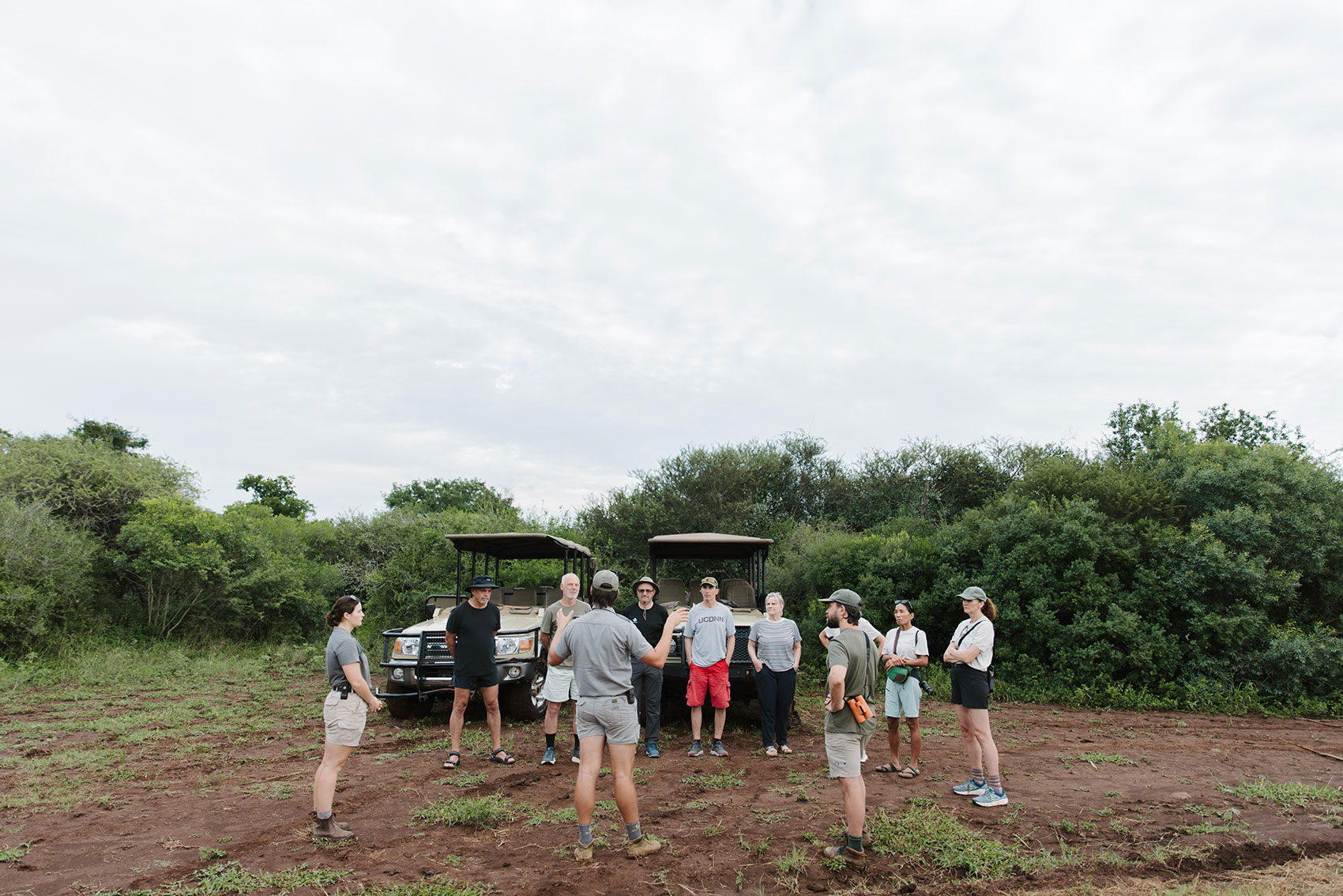
KwaZulu-Natal packing is not the same as Kruger packing. Coastal humidity, early morning temperatures on foot in Big Five territory, and a camera for documentation, not trophy shots.
10 min read
Swipe to see more
A progression through four structurally distinct ecosystems (coastal forest, UNESCO wetland, Africa's oldest reserve, and Big Five wilderness) across a single province.