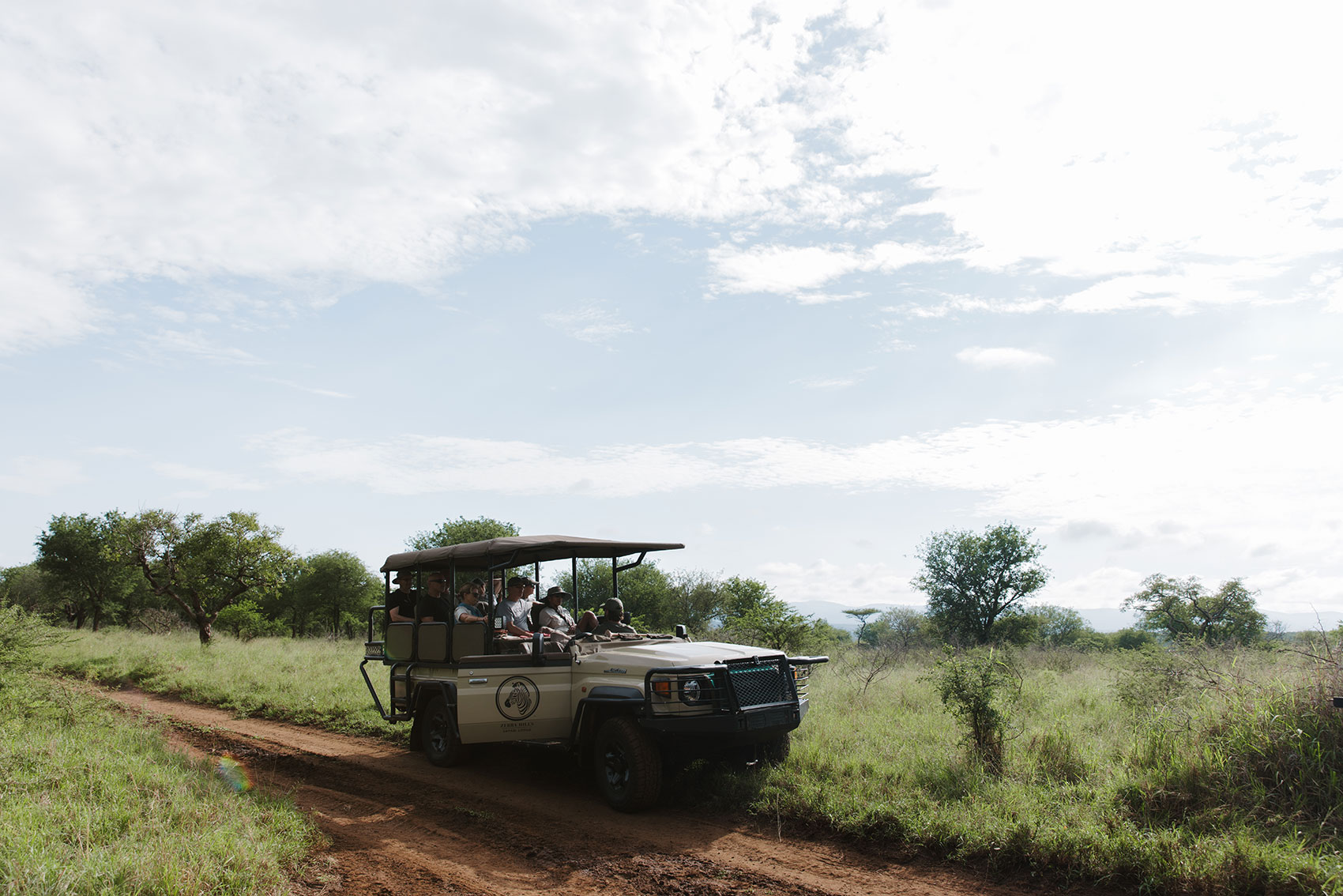
The 9-Day Legacy Conservation Safari
8 nightsA progression through four structurally distinct ecosystems (coastal forest, UNESCO wetland, Africa's oldest reserve, and Big Five wilderness) across a single province.
From $8,230
View details →
Travel Tips
KwaZulu-Natal is not the Kruger lowveld. The coastal humidity at Tanglewood is nothing like the dry heat of the Sabi Sand. The early morning temperature on a walking safari in Hluhluwe-iMfolozi in June is colder than most guests expect. And the camera you need for a rhino horn trimming operation, where you are documenting an active veterinary procedure at close range, is a different instrument from the one you need for a game drive silhouette. This is the packing guide for where we actually go.
Every item of clothing you pack for field work and game drives should be neutral and earth-toned: khaki, olive, tan, stone, buff, brown, or grey. This is not aesthetic preference, it is field science practice. Animals in open territory respond to contrast and movement. At Hluhluwe-iMfolozi on foot, your visibility to the wildlife around you has direct safety implications. Camille will not take a group in blue or white into Big Five territory on a walking safari.
Avoid pure white and bright blue in the green season, both attract insects along the coastal forest margins.
The layering principle is not optional. Walking safaris in Hluhluwe-iMfolozi depart before dawn in June and July when temperatures can approach freezing in the open. By 9am the same day you may be in 28°C (82°F) warmth. The coastal forest at Tanglewood holds humidity year-round, you will want layers that breathe and dry quickly.
Core clothing list for the 9-day KZN journey:
What to leave at home: specialist safari clothing sold by tourism retailers at a premium. Good outdoor clothing from REI, Patagonia, or Arc’teryx works without the branding. The field work does not require a uniform.
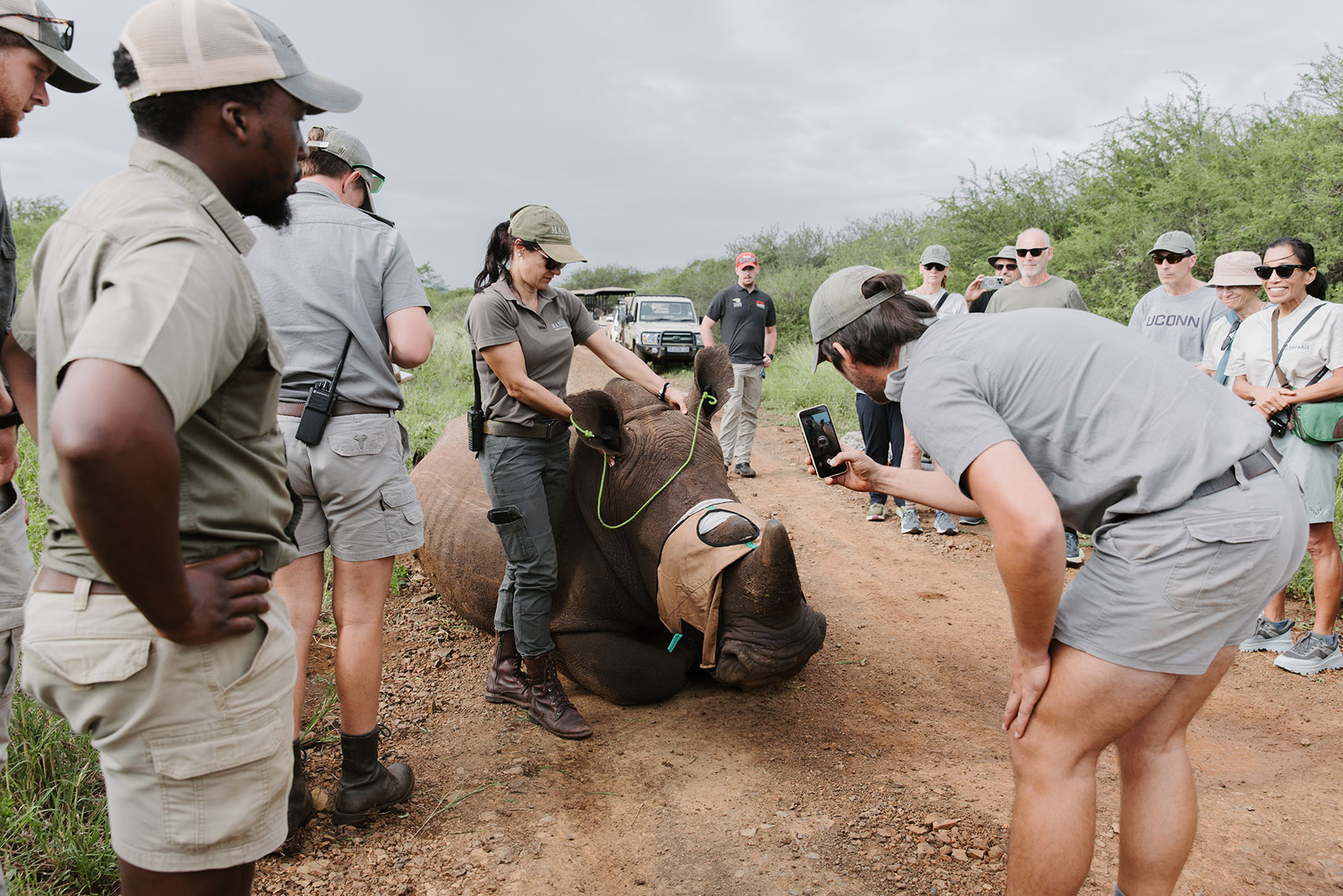
The photography context on this journey is different from a standard game drive safari. At the rhino horn trimming operation, you are thirty metres from an immobilised animal during an active veterinary procedure. At the Tanglewood bird survey, you are recording crowned eagle nest locations in dense coastal canopy. At the iSimangaliso boat survey, you are identifying individual hippos by notch patterns in their ears.
This is documentation, not trophy shooting. The images that matter are the ones that record what you saw precisely, individual animal ID, field methodology in action, the scale of the landscape you are moving through.
What works:
Accessories that matter:
Charging: South Africa uses Type M three-pin plugs at 220–230V. Bring a Type M adapter. The lodges have limited outlets, a USB multi-port travel charger handles all devices efficiently.
Malaria prophylactics are recommended for KwaZulu-Natal. The province sits in the endemic zone, though transmission risk varies seasonally and by elevation. Consult a travel medicine physician, not a general practitioner, 6–8 weeks before departure. The three most commonly prescribed options are Malarone (atovaquone-proguanil), Doxycycline, and Mefloquine. Your physician will advise based on your medical history and travel dates.
Bring comprehensive travel insurance including medical evacuation cover. Medical evacuation from Hluhluwe-iMfolozi to a private hospital in Durban requires a helicopter, and the cost without insurance is significant. This is not optional for remote field work travel.
Sun protection: The UV index at iSimangaliso wetland and on the open savanna at Hluhluwe-iMfolozi is higher than most US travellers anticipate. SPF 50+ minimum on all exposed skin. Reapply every two hours during outdoor field work, regardless of cloud cover.
US passport holders do not require a visa for South Africa for stays up to 90 days for tourism. Your passport must be valid for at least 6 months beyond your return date and have at least two blank pages for stamps. Check this well in advance, US passport renewals are taking 8–12 weeks.
You will route through King Shaka International Airport (DUR) in Durban, not Johannesburg, for the KZN journey. Most US itineraries connect through O.R. Tambo International with a domestic flight to Durban. Build a buffer night in Durban, Camille’s orientation briefing is scheduled for your arrival evening.
Luggage: If any portion of your journey involves domestic light aircraft transfers (standard for some KZN itineraries), luggage is restricted to soft-sided bags of 20kg. A duffel bag or soft backpack is the standard and correct recommendation.
Guides, trackers, and lodge staff in South Africa are tipped in cash. USD is universally accepted. Budget USD $10–15 per guest per day for guides, and USD $5–8 per guest per day for lodge staff. Bring small denomination bills ($10 and $20). ATMs in Durban dispense Rand; the Rand equivalent works equally well.
Gratuities for Camille are entirely discretionary and separate from the standard guide gratuity structure. Many guests choose to make an additional donation to the Wildlife ACT rhino programme rather than a personal tip. Both are appropriate.
Further Reading
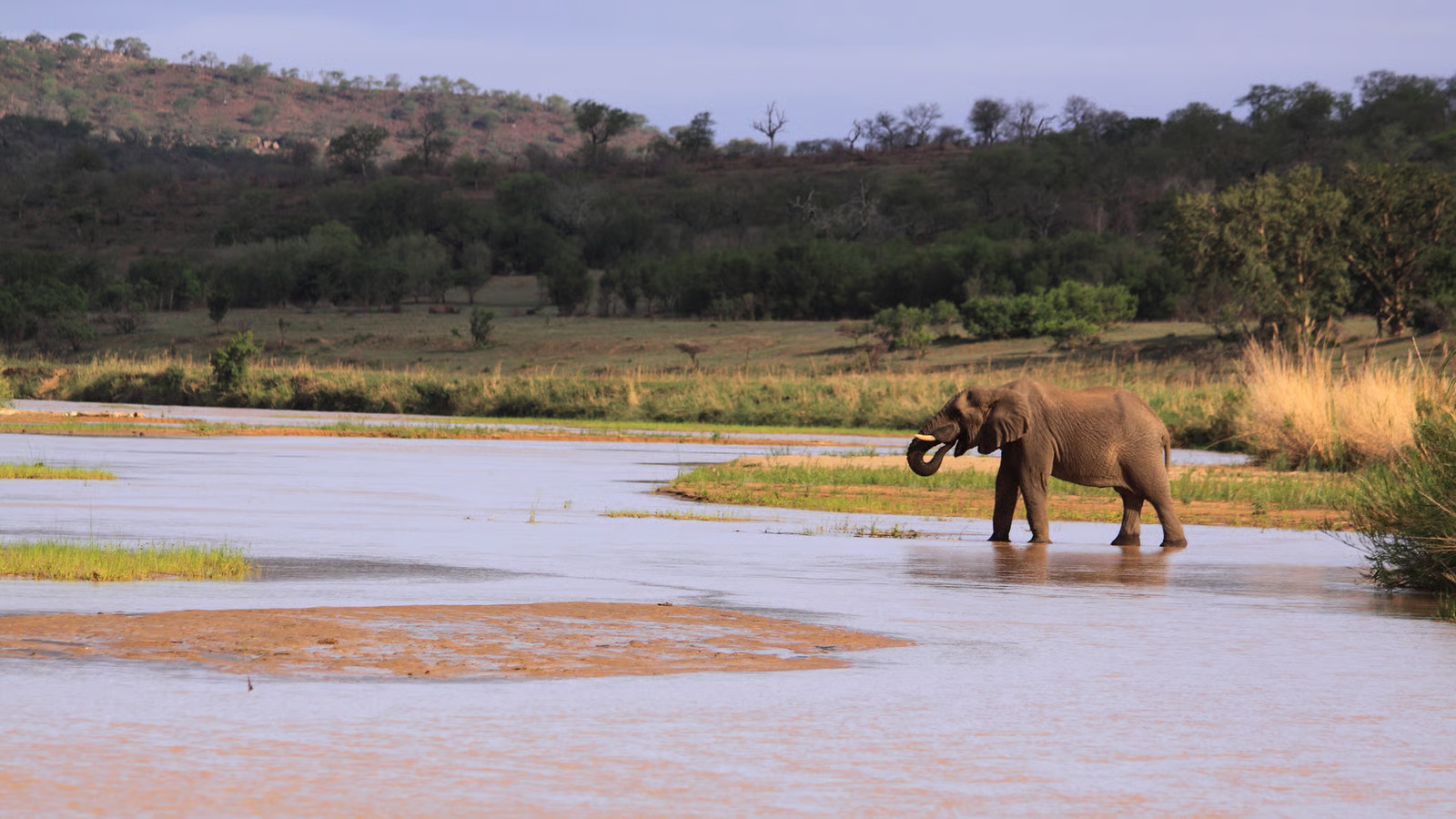
Travel Planning
As summer eases into autumn, KwaZulu-Natal stays lush and green while the evenings begin to cool. Camille on why March and April are among the finest months to be on safari in KZN.
6 min read
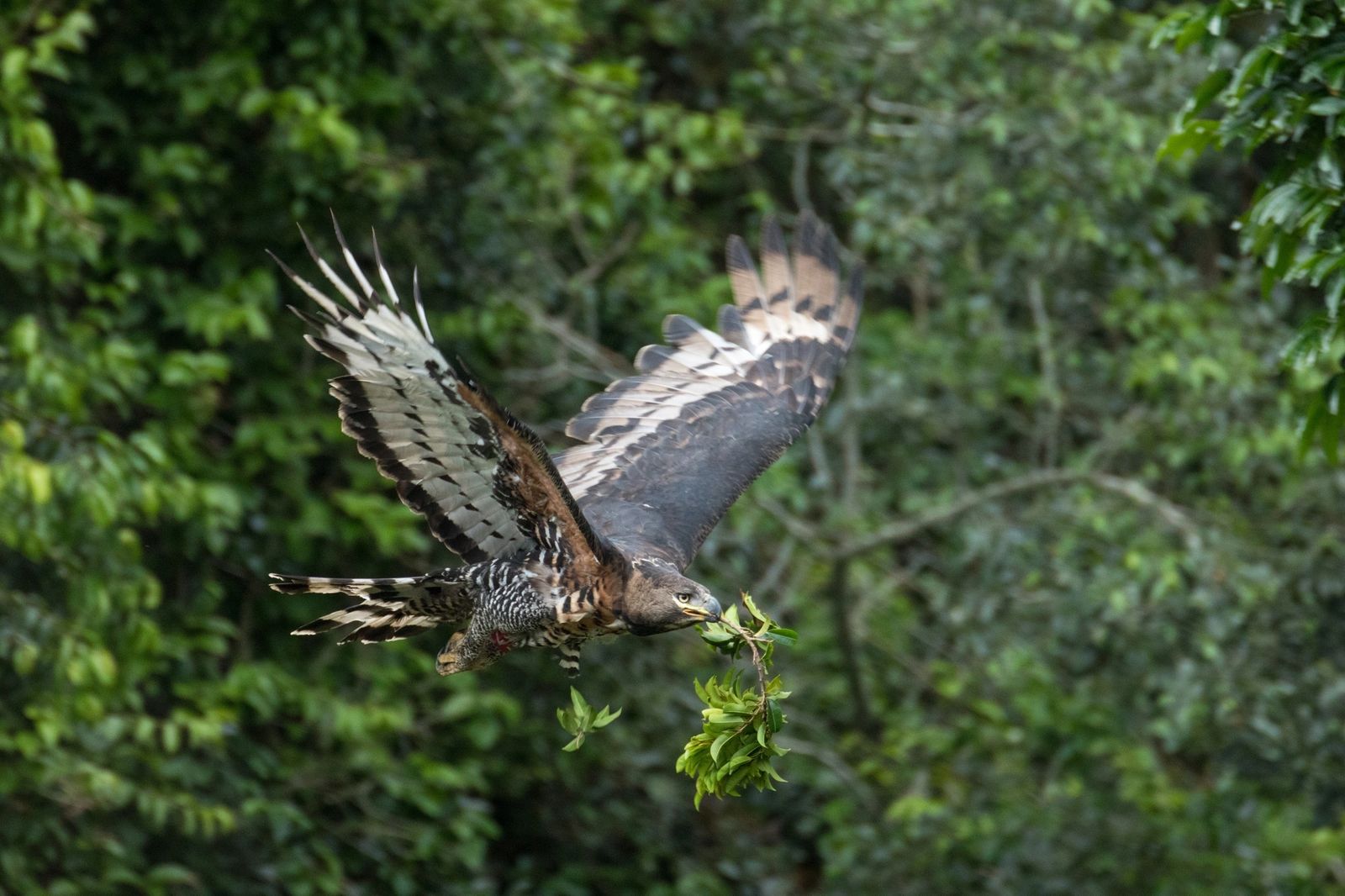
Conservation
With talons longer than a lion's teeth and a six-foot wingspan, the African crowned eagle is the continent's most formidable forest predator, and it has quietly adapted to life above one of South Africa's largest cities.
5 min read
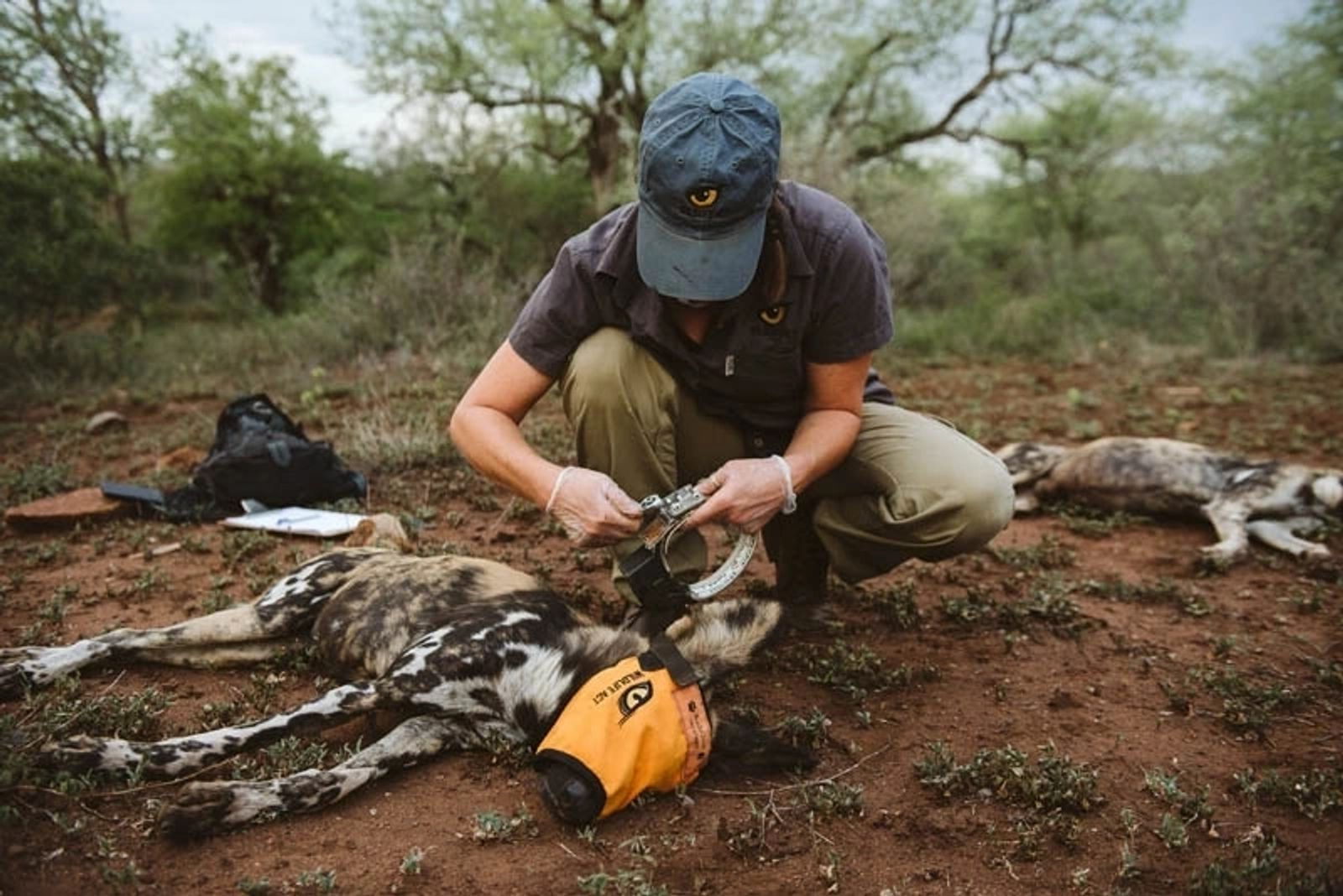
Conservation
Founded in 2008, Wildlife ACT safeguards Africa's most endangered species through relentless on-the-ground monitoring and anti-poaching work, and every safari we run helps fund their rhino horn trimming and protection work.
5 min read
Conservation
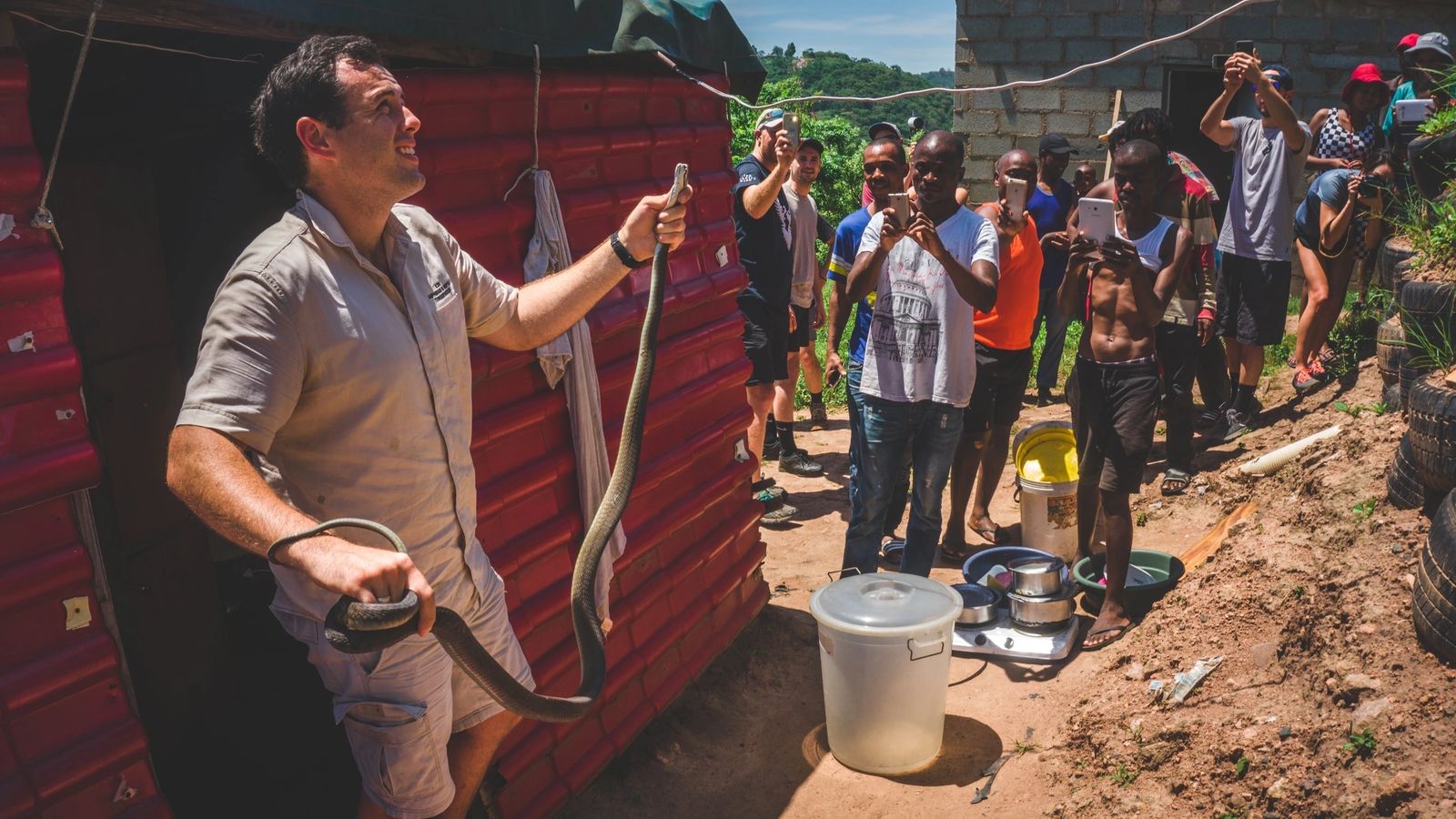
Reptiles and amphibians may not command attention like Africa's famous megafauna, but they are vital to the health and balance of ecosystems across the continent, and to the predators everyone travels to see.
4 min read
Conservation
A percentage of every booking is not a conservation programme. Here is what an auditable, per-booking conservation pledge actually looks like, and why the difference matters.
8 min read
Swipe to see more
A progression through four structurally distinct ecosystems (coastal forest, UNESCO wetland, Africa's oldest reserve, and Big Five wilderness) across a single province.